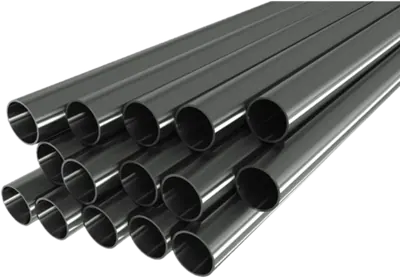
Short answer. GI pipe is carbon steel pipe coated with zinc inside and out; BI pipe is the same steel pipe left bare. Pick GI for water lines and for posts, railings and frames that stay outdoors unpainted. Pick BI for gas lines, most fire sprinkler lines, steam, and anything you will weld and paint. The plans and the governing code have the final say.
What GI and BI actually mean
Both names are older than the product. Neither pipe is iron any more: both are carbon steel pipe, usually made to a standard such as ASTM A53 (welded or seamless, Grades A and B) or the European EN 10255, which replaced the old BS 1387 light, medium and heavy classes.
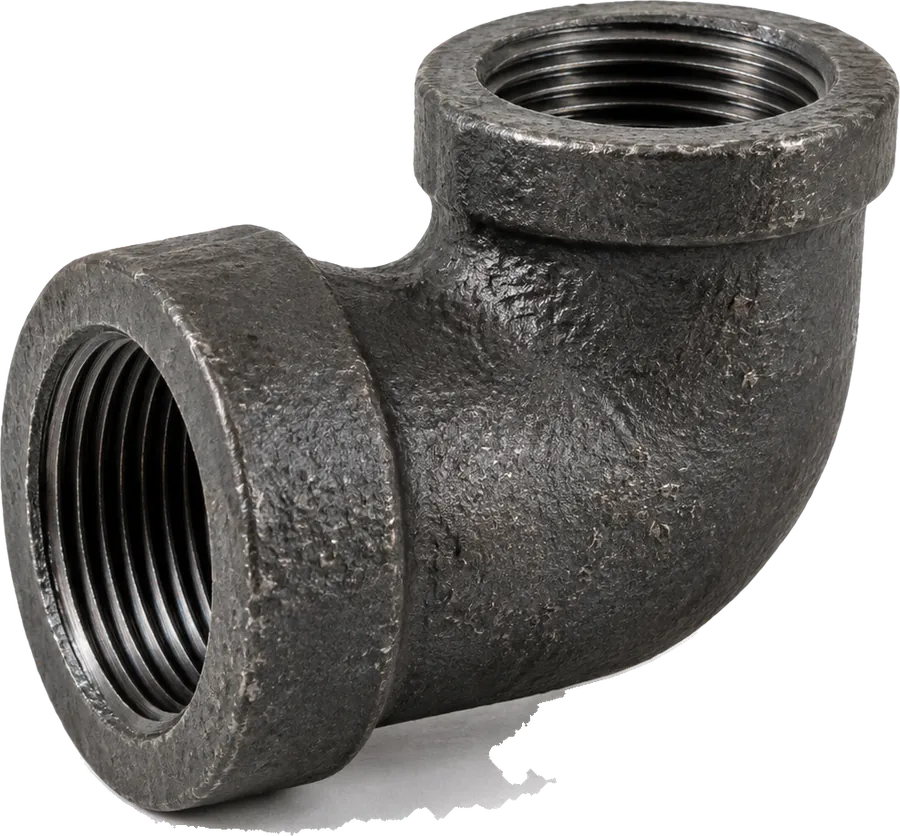
- BI (black iron) pipe leaves the mill with its dark oxide skin, sometimes with a light oil or varnish against surface rust in storage. Nothing else protects it.
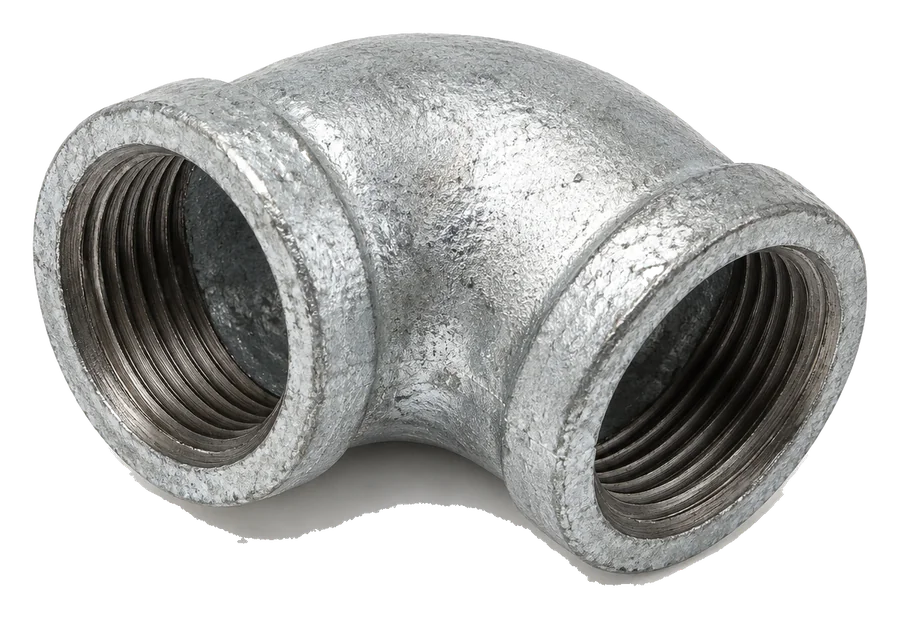
- GI (galvanized iron) pipe is the same pipe, cleaned and coated with zinc, normally by hot-dipping, so the zinc covers the bore as well as the outside.
Sizes are nominal: a "1/2 inch" pipe measures about 21.3 mm outside, and the schedule (for example Schedule 40 or 80) or class sets the wall thickness. Say both the nominal size and the schedule or class when you order.
GI vs BI side by side
| GI pipe (galvanized) | BI pipe (black iron) | |
|---|---|---|
| Coating | Zinc, inside and out | None; dark mill finish, sometimes oiled or varnished |
| Rust resistance | Good; the zinc corrodes first and protects small scratches | Low; must be painted or kept dry outside |
| Welding | Possible, but the zinc must be removed and the fumes controlled | Straightforward |
| Typical lines | Cold water supply, drainage vents, outdoor posts, railings, fences, scaffolds | Gas, fire sprinkler and standpipe lines, steam and condensate, structural and fabricated work |
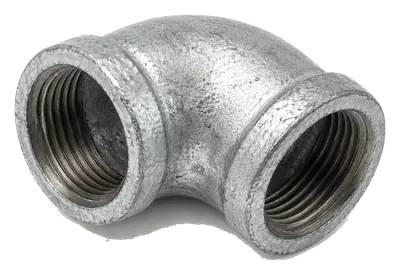
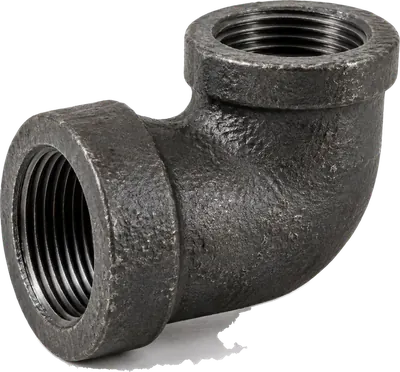
| Threaded fittings | Galvanized malleable iron | Black malleable iron |
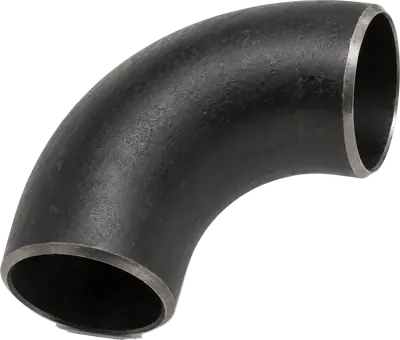
| Welded fittings | Rarely used | Butt-weld and socket-weld fittings |
| On site | Seal threads; touch up cut ends with zinc-rich paint | Prime and paint anything exposed |
Where GI pipe is used
GI earns its zinc wherever water or weather reaches the steel:
- Cold water lines, especially exposed runs, risers and pump connections, where the zinc slows rust inside the bore.
- Outdoor structures: fence posts, gate frames, railings, handrails, sign posts and canopy frames that will not be painted.
- Scaffolds and temporary works that live outside between jobs.
Keep GI away from hot water above about 60 °C. At higher temperatures zinc can stop protecting the steel and the pipe can corrode faster than bare steel would. Join GI to copper or brass through a dielectric union or a brass transition fitting, so the two metals do not eat each other.
Where BI pipe is used
- Gas lines (LPG and natural gas). BI is the traditional choice, and many installers avoid GI for gas because zinc flakes can come loose and clog regulators and burner orifices. Follow the gas code and your gas supplier's rules.
- Fire protection: wet sprinkler lines and standpipes are commonly black steel, joined by threads, grooved couplings or welding. Dry systems are often specified in galvanized pipe. The fire protection design decides.
- Steam, condensate and hot water lines, where zinc brings no benefit.
- Structural and fabricated work: posts, frames, bollards and supports that will be welded and painted.
Threading, welding and fittings
Both pipes take threads. What matters is which thread: NPT (American, 60° thread angle) and BSPT (British, 55° thread angle) look alike but do not seal together in most sizes. Use one system for the whole line and match the fittings to it. If you are adding to an old line, send a photo of an existing fitting.
Cutting a thread on GI pipe removes the zinc from the threads, so seal every joint with thread compound or PTFE tape and touch up any bare steel left outside the fitting.
Welding BI is routine. Welding GI is possible, but grind the zinc back from the joint first and work with good ventilation or fume extraction: zinc oxide fumes cause metal fume fever. Repair the weld area afterwards with zinc-rich paint.
Match fittings to the pipe: GI elbows and other galvanized malleable fittings on GI lines; black malleable threaded fittings or butt-weld fittings on BI lines.
How to choose: five questions
- What flows through it? Drinking or cold water points to GI; gas and steam to BI.
- How hot does it get? Above about 60 °C, choose BI (or another material the design names).
- Threaded or welded? Welded lines are almost always BI.
- Will it be painted? Painted steel can be BI; unpainted steel outdoors should be GI.
- What do the plans and code say? Plumbing, fire and gas codes override everything above.
What to put in your RFQ
- GI or BI, and the standard if the plans name one (for example ASTM A53 Grade B)
- Nominal size and schedule or class
- Length: full lengths, or cut lengths with the size of each cut
- Ends: plain, or threaded (say NPT or BSPT); see threading and machining
- Quantity, and the fittings for the same run
- Delivery city and target date
Our guide on how to send an RFQ that gets a fast quote has the full checklist.