Short answer. ASTM F1554 is the standard written for anchor rods cast into concrete: pick Grade 36, 55 or 105 to match the design load. ASTM A307 is a general-purpose low-carbon bolt standard for light duty. ASTM A325 is a high-strength structural bolt for steel-to-steel connections, not an anchor rod standard. When the drawing names a grade, order exactly that grade.
The grades at a glance
Most anchor bolt orders in the Philippines name one of three ASTM standards. They are not interchangeable: each one sets a different strength, chemistry and testing regime.
| Standard and grade | What it is | Min. yield | Tensile | Typical job |
|---|---|---|---|---|
| A307 Grade A | Low-carbon steel bolts, studs and threaded rod | Not specified | 60 ksi (414 MPa) min. | Light hold-downs, gate and post bases, small equipment |
| F1554 Grade 36 | Anchor rod for concrete, low-carbon steel | 36 ksi (248 MPa) | 58–80 ksi (400–552 MPa) | Most column base plates and equipment pads |
| F1554 Grade 55 | Higher-strength anchor rod | 55 ksi (379 MPa) | 75–95 ksi (517–655 MPa) | Columns with uplift or moment at the base |
| F1554 Grade 105 | Quenched and tempered alloy steel anchor rod | 105 ksi (724 MPa) | 125–150 ksi (862–1034 MPa) | Heavy uplift: towers, tall poles, large machinery |
| A325 (now F3125 Grade A325) | Heavy hex structural bolt, quenched and tempered | 92 ksi (634 MPa) | 120 ksi (827 MPa) min. | Steel-to-steel connections: beam to column, splices, bracing |
ksi = thousand pounds per square inch; 1 ksi is about 6.9 MPa. Values are the minimums or ranges set by the ASTM standards; your engineer's drawing always governs.
ASTM A307: the general-purpose bolt
A307 covers carbon steel bolts, studs and threaded rod with a minimum tensile strength of 60 ksi. The steel is not heat treated, it machines and bends easily, and it is the most common "ordinary" bolt grade on site.
Grade A is the general-purpose grade. Grade B is meant for flanged joints in cast iron piping. You may still see A307 Grade C on older drawings for anchor rods: that grade was removed from A307 years ago, and F1554 Grade 36 is the usual replacement. If your plans call for Grade C, ask the engineer of record to confirm the substitute in writing.
A307 suits light anchors where the load is mostly shear or small tension: gate posts, light canopies, handrail bases and small equipment.
ASTM F1554: the anchor rod standard
F1554 was written for one job: anchor rods that hold structural supports down to concrete. The grade number is the minimum yield strength in ksi, so Grade 36, 55 and 105 are easy to read off a drawing.
- Grade 36 is the default for most building columns. It is low-carbon, ductile and weldable, with the same 36 ksi minimum yield as A36 plate.
- Grade 55 carries about half again the yield of Grade 36. It is weldable only when ordered with supplementary requirement S1, so say so if the rods will be welded.
- Grade 105 is a quenched and tempered alloy steel for heavy uplift. Do not weld it or heat it: heat undoes the tempering.
F1554 also sets a colour code on the end of the rod that sticks out of the concrete: blue for Grade 36, yellow for Grade 55, red for Grade 105. It lets an inspector confirm the grade after the pour, when nothing else is visible.
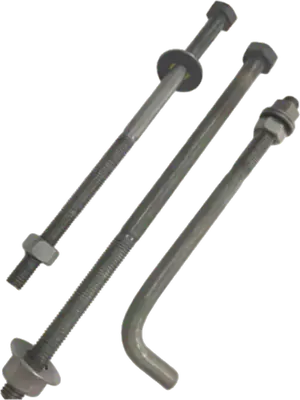
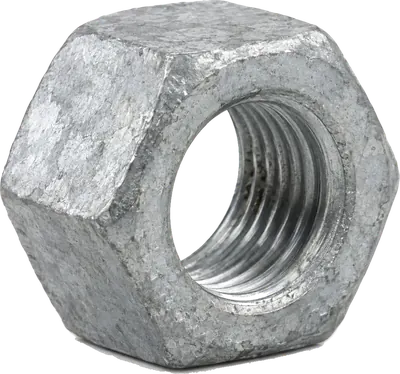
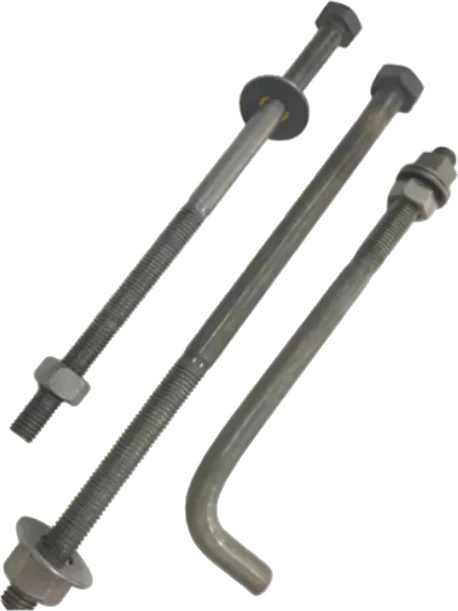
The rods come in three forms: straight (threaded, with a nut or plate at the embedded end), bent (L or J) and headed. Nuts are usually heavy hex nuts to ASTM A563, with the nut grade chosen to match the rod grade.
Where A325 fits, and where it does not
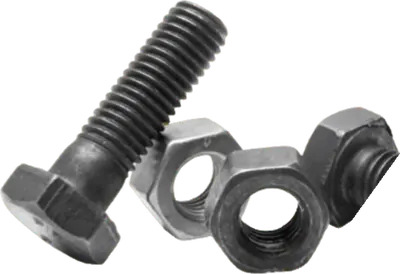
A325 is a structural bolt: a heavy hex head, a short thread and a high strength, made to clamp steel to steel in beam-to-column connections, splices and bracing. Since 2015 it has been part of ASTM F3125, as Grade A325; older drawings still just say A325.
Purchase lists often say "A325 anchor bolt" when the writer means a high-strength rod for concrete. A325 is not written for that job: it does not cover long rods, bends or long threads. For a high-strength anchor rod the purpose-made choice is usually F1554 Grade 55 or 105, picked by the engineer. If your drawing really does call for A325 material in an anchor, order to the drawing and keep the engineer's note on file.
Two related grades you may meet:
- A490: a stronger structural bolt than A325 (150 ksi minimum tensile). It must not be hot-dip galvanized, because the process can make steel this hard brittle.
- 4140: an AISI alloy steel, usually quenched and tempered, used for high-strength rods, studs and machined parts when a drawing calls for it.
L, J or straight: anchor bolt types
The embedded end (a bend, a nut or a forged head) is what keeps a rod from pulling out of the concrete. Shape and grade are separate choices on the order.
| Type | Shape | Where it is used |
|---|---|---|
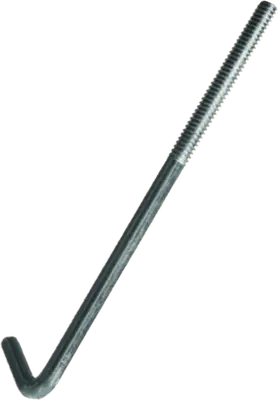
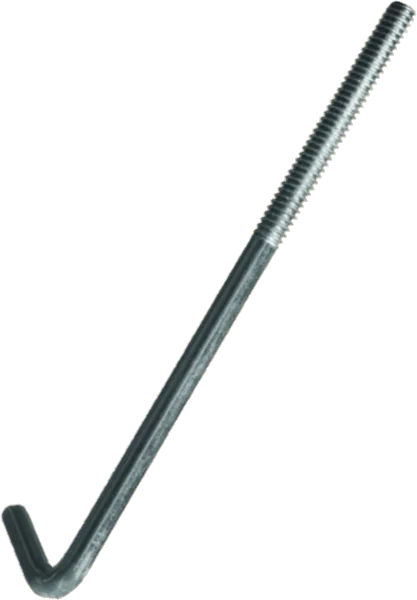
| L-type | A 90° bend with a straight leg at the bottom | The most common shape for column base plates and footings |
| J-type | A curved hook at the bottom | Lighter anchors: posts, light frames, gates and small equipment |
| Straight with nut or plate | Threaded at both ends, with a heavy nut or plate washer cast in at the bottom | Higher tension loads; simple to make to length |
| Headed | A forged head at the embedded end | Similar to straight with a nut; set by the design |
For heavy tension, engineers often prefer a straight rod with a nut or a headed rod, because a hook can straighten and slip under high load (the AISC base plate design guide makes the same point). Follow the drawing.
What to specify when you order
An anchor bolt order that answers these nine points can be priced without a round of questions:
- Standard and grade, exactly as on the drawing: F1554 Gr. 36, 55 or 105, A307, or another grade.
- Type: L, J, straight or headed.
- Diameter × overall length, and say whether the sizes are in inches or millimetres.
- Leg or hook length for L and J types.
- Thread length. The thread has to reach through the levelling nut, the grout, the base plate, the washer and the top nut, with a few threads showing.
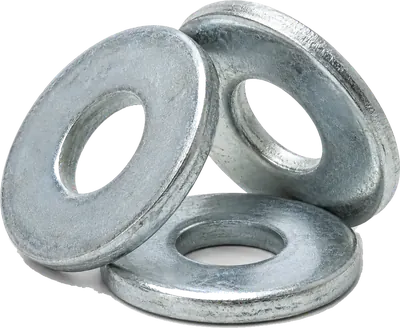
- Nuts and washers per bolt: a levelling nut, a top nut and a washer is a common set; add plate washers if the drawing shows them.
- Finish: plain (black), hot-dip galvanized or electro-galvanized. Galvanized nuts are tapped oversize to fit over the zinc, so order galvanized bolts and nuts together.
- Quantity, counted in pieces (or sets, if you say what a set holds).
- Delivery city and target date, plus any extras such as a setting template or the base plates that go on top.
Example line (format only): Anchor bolt, F1554 Gr. 36, L-type, 3/4 in × 24 in, 4 in leg, 6 in thread, 2 heavy hex nuts + 1 washer each, hot-dip galvanized, 48 pcs, deliver to Cavite.
Not sure about the finish? Our guide to hot-dip vs electro-galvanizing explains which coat lasts outdoors.
A36 plate: the base plate on top
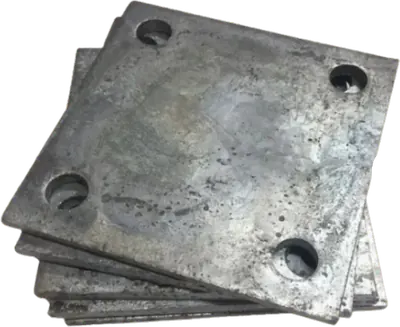
The base plate the anchors hold down is usually ASTM A36 structural steel: 36 ksi (250 MPa) minimum yield and 58–80 ksi tensile, easy to cut, drill and weld. Hole diameters in a base plate are made larger than the rod so the bolts can be set with some tolerance; the drawing gives the exact hole size and the plate washer that covers it.